
🏆 Lucky winners for the Rabbitie Doll and 100% Full Refund Draw will be announced at: July 10 (LA Time/PDT)!
💬 Results will be on Discord, join now!
🏆 Lucky winners for the Rabbitie Doll and 100% Full Refund Draw will be announced at: July 10 (LA Time/PDT)!
💬 Results will be on Discord, join now!


TPE vs Silicone Sex Doll – Key Differences
Softness: TPE is softer and more realistic to the touch, while silicone is firmer but now available in ultra-soft options.
Durability: Silicone is less porous and more durable than TPE, which may wear down faster over time.
Odor & Maintenance: TPE may have a stronger initial odor and needs regular cleaning; silicone is easier to maintain.
Weight: TPE dolls are heavier; silicone dolls, with modern tech, are lighter and easier to transport.
Price: TPE is more affordable; silicone costs more but offers long-term value.

Choosing the right material for a sex doll matters a lot. You want a doll that feels just right and lasts long. TPE vs Silicone is a big decision. TPE Dolls feel softer and cost less. Silicone Dolls last longer and clean up easier. The new Sex Doll New Material S-TPE by WMDoll offers something fresh. AllYourDolls.com knows dolls inside out. The TPE vs Silicone Comparison Table helps you see the differences at a glance. Trustworthy advice makes picking the perfect doll easier.
TPE vs Silicone: Comparison of Sculpting Precision
When you think about sculpting precision, both TPE vs Silicone offer unique benefits. Each material brings something special to the table. Let’s dive into what makes each one stand out.
TPE Sculpting Precision
TPE Dolls provide a soft touch. This softness allows for intricate details in the sculpting process. Artists can create lifelike features with ease. The flexibility of TPE also helps in achieving realistic body movements. This material feels more like human skin, which many users appreciate. The tactile feel of TPE is unmatched, making it a popular choice.
However, TPE has some downsides. The material is more porous than silicone. This porosity can lead to less durability over time. TPE might not hold up as well under frequent use. Maintenance becomes crucial to keep the doll in good shape. Some users report that TPE can stain easily. This requires extra care when choosing clothing and accessories.
Silicone Sculpting Precision
Silicone Dolls shine in terms of durability. The material resists chemicals and stands the test of time. Sculptors can achieve high precision with silicone. This results in dolls with sharp, defined features. Silicone’s biocompatibility ensures safety for users. The material is less likely to harbor bacteria, making it easier to clean.
Disadvantages
Silicone does have its challenges. The material feels firmer compared to TPE. Some users prefer the softer touch of TPE. The cost of silicone is generally higher. This can be a deciding factor for budget-conscious buyers. Despite these drawbacks, many still choose silicone for its longevity and ease of maintenance.
When comparing TPE vs Silicone, consider what matters most to you. Do you value the soft touch of TPE or the durability of silicone? Both materials offer unique advantages. Brands like Rosemary, joy love doll, and silicone lover provide a range of options. Explore what fits your needs best.
Comparison of TPE vs Silicone: Softness
Choosing between TPE and Silicone materials often comes down to how each feels. Let’s explore the softness of both options.
TPE Softness
TPE Dolls offer a soft and lifelike touch. The material mimics human skin, providing a realistic feel. TPE’s flexibility allows for a natural movement that many users enjoy. This softness makes TPE a popular choice for those seeking a more tactile experience. The material excels in abrasion resistance, which adds to its appeal.
User Experience
Users often rave about the comfort of TPE Dolls. The softness enhances the overall experience, making interactions feel more genuine. Many find the texture inviting and warm. However, TPE may lose some properties under repetitive use. Regular maintenance helps preserve the doll’s condition. Users should handle TPE Dolls with care to maximize longevity.
Silicone Softness
Silicone Dolls provide a firmer feel compared to TPE. The material offers excellent durability and compression set. Silicone withstands harsh conditions better than TPE. This makes it ideal for those prioritizing longevity. The material’s resistance to damage ensures a longer lifespan. Users appreciate the easy maintenance of Silicone Dolls.
Ultra Soft Silicone Options
Manufacturers now offer Ultra Soft Silicone options. These dolls aim to combine the best of both worlds. Users get the durability of silicone with a softer touch. This innovation addresses concerns about firmness. Brands like Rosemary and joy love doll provide these advanced options. Ultra Soft Silicone offers a compelling alternative for those torn between TPE vs Silicone.

TPE vs Silicone: Odor
Odor can play a big role when choosing between TPE and Silicone Dolls. Let’s dive into what you might expect from each material.
TPE Odor
TPE Dolls often come with a noticeable smell. This odor results from the manufacturing process. Some users find the scent off-putting. The smell can linger for a while, especially if the doll is new. Many users worry about hygiene because of this odor. A strong scent might indicate lower quality materials.
Mitigation Strategies
You can take steps to reduce the TPE odor. Airing out the doll helps a lot. Place the doll in a well-ventilated area for a few days. Using mild soap and water for cleaning also helps. Some owners use baking soda to neutralize the smell. Regular maintenance keeps the scent at bay. Always store TPE Dolls in a cool, dry place. This storage method prevents the odor from intensifying.
Silicone Odor
Silicone Dolls usually have less odor compared to TPE. The material itself doesn’t hold onto smells easily. However, some users still notice a slight scent. This scent typically fades faster than TPE odors. Concerns about silicone odors are generally minimal. The hypoallergenic nature of silicone contributes to its low odor profile.
Mitigation Strategies
Reducing any silicone odor is straightforward. A simple wash with mild soap does wonders. Allow the doll to air dry completely. This drying process helps eliminate any remaining scent. Using unscented products during cleaning prevents additional odors. Regular cleaning ensures that the doll remains fresh. Storing Silicone Dolls in a clean environment maintains their low odor.
Choosing between TPE vs Silicone involves considering personal preferences. If odor concerns you, Silicone Dolls might suit you better. Brands like Rosemary, joy love doll, and u lovers doll offer various options to explore. Understanding these differences helps make an informed choice.
TPE vs Silicone: Weight
TPE dolls offer a lighter feel. This weight makes handling easier for many users. You might find TPE dolls more manageable during use. The lightweight nature enhances the overall experience. Users often appreciate the ease of movement with TPE dolls. The lighter weight can also reduce fatigue during extended interactions.
Transportation Considerations
Transporting TPE dolls proves convenient due to their lighter weight. You can move these dolls with less effort. The reduced weight simplifies packing and unpacking. Many users find TPE dolls easier to store when not in use. The lighter build minimizes transportation costs. You can enjoy flexibility in relocating TPE dolls as needed.
Silicone Weight
Impact on Usage
Silicone dolls tend to weigh more than TPE dolls. This added weight offers a sturdier feel during use. Some users prefer the solid presence of silicone dolls. The weight contributes to a more grounded experience. You might notice enhanced stability with silicone dolls. The heavier build can provide a sense of realism for some users.
Transportation Considerations
Moving silicone dolls requires more effort due to their weight. You might need assistance when transporting these dolls. The heavier nature impacts storage options. Users often consider the weight when planning transportation. The increased weight can affect shipping costs. You should plan accordingly when relocating silicone dolls.
When choosing between TPE vs Silicone, consider how weight affects your experience. Brands like Rosemary, joy love doll, and silicone lover offer various options to suit different preferences. Understanding these differences helps you make an informed decision.
TPE vs Silicone: Ease of Coloring
TPE Coloring
Techniques
Coloring TPE dolls requires specific techniques. You can use airbrushes or specialized paints for TPE materials. These tools help achieve vibrant and realistic colors. Artists often prefer these methods for detailed work. The flexibility of TPE allows for smooth application. You can experiment with different shades and tones easily.
Longevity
The longevity of TPE coloring depends on maintenance. Regular care helps preserve the vibrancy of the colors. TPE’s porous nature can affect color retention. You might notice fading over time without proper upkeep. Cleaning the doll with mild soap can extend the lifespan of the colors. Avoid harsh chemicals to prevent damage to the paint.
Silicone Coloring
Techniques
Silicone dolls require different coloring techniques. You can use silicone-based pigments for the best results. These pigments bond well with the material. Airbrushing is a popular method for applying color to silicone. This technique ensures even coverage and precision. Silicone’s chemical resistance supports various coloring methods.
Longevity
Silicone coloring offers excellent longevity. The material’s durability helps maintain vibrant colors. Silicone resists fading better than TPE. Regular cleaning keeps the colors looking fresh. Use gentle cleansers to avoid damaging the pigmentation. Proper storage prevents discoloration over time. Silicone’s biocompatibility ensures safe and lasting color application.
Choosing between TPE and silicone for coloring involves considering your priorities. Do you want vibrant colors that last? Silicone might be the way to go. Brands like AllYourDolls, Rosemary, joy love doll, and silicone lover offer options with unique coloring features. Understanding these differences makes picking the right doll easier.

TPE vs Silicone: Oil Secretion
TPE Oil Secretion
Causes
TPE dolls often experience oil secretion. The material’s composition includes oils that help maintain flexibility. Over time, these oils naturally seep out. This process can leave a slight residue on the doll’s surface. Environmental factors like heat can speed up oil secretion. Frequent use also contributes to this phenomenon.
Maintenance Tips
You can manage TPE oil secretion with regular care. Use baby oil or petroleum jelly to keep the material saturated. These treatments help prevent damage and deterioration. Clean the doll’s surface with mild soap and water. Pat the doll dry with a soft cloth to remove excess oil. Store the doll in a cool, dry place to minimize oil seepage. Regular maintenance keeps the doll looking fresh and new.
Silicone Oil Secretion
Causes
Silicone dolls generally have less oil secretion. The material’s structure is more stable than TPE. Silicone combines silicon polymer with carbon, hydrogen, and oxygen. This mixture reduces the likelihood of oil seepage. Silicone’s chemical resistance plays a role in minimizing oil secretion. The material’s durability helps maintain its integrity over time.
Maintenance Tips
Silicone dolls require minimal maintenance for oil secretion. Clean the doll with mild soap and water regularly. This routine helps remove any surface residue. Allow the doll to air dry completely after cleaning. Use unscented products to avoid introducing additional chemicals. Store the doll in a clean environment to maintain its condition. Regular care ensures the doll remains in top shape.
Choosing between TPE and silicone involves considering oil secretion. If you want less maintenance, silicone might be the better option. Brands like Rosemary, joy love doll, and silicone lover offer various choices to explore. Understanding these differences helps you make an informed decision.
TPE vs Silicone: Durability and Longevity
TPE Durability
Factors Affecting Longevity
TPE dolls offer a unique blend of flexibility and resistance. The material withstands abrasion and tearing well. Frequent use can impact TPE’s longevity. Harsh conditions and chemicals may cause wear over time. TPE’s ability to be reprocessed adds sustainability. Users often find TPE dolls more affordable due to lower production costs.
Maintenance Tips
Regular care extends the life of TPE dolls. Gentle cleaning with mild soap maintains the material’s integrity. Avoid harsh chemicals to prevent damage. Use baby oil or petroleum jelly to keep TPE supple. Store TPE dolls in a cool, dry place to minimize wear. Regular maintenance ensures a longer lifespan for TPE dolls.
Silicone Durability
Factors Affecting Longevity
Silicone dolls boast impressive durability. The material resists extreme temperatures and chemicals. Silicone provides excellent compression set, enhancing longevity. Users appreciate silicone’s biocompatibility and resistance to damage. High-quality silicone often lasts longer than TPE. The initial investment in silicone pays off over time.
Maintenance Tips
Silicone dolls require minimal upkeep. Clean silicone with mild soap and water regularly. Allow the doll to air dry completely after washing. Store silicone dolls in a clean environment to maintain their condition. Avoid using scented products to preserve the material’s quality. Consistent care keeps silicone dolls looking new for years.
Choosing between TPE vs Silicone involves considering durability and longevity. Brands like Rosemary, joy love doll, and silicone lover offer various options. Understanding these differences helps you make an informed decision.
TPE vs Silicone: Heat Resistance
TPE Heat Resistance
Safe Temperature Range
TPE materials handle temperatures between -50°F and 210°F. This range suits many environments. TPE dolls perform well in moderate conditions. Users find TPE suitable for everyday use. The material maintains flexibility within this temperature span.
Risks
High temperatures pose risks for TPE dolls. Exposure to heat can cause deformation. TPE may lose its properties if not handled carefully. Users should avoid placing TPE dolls near heat sources. Direct sunlight can also affect TPE’s integrity. Proper storage helps prevent these issues.
Silicone Heat Resistance
Safe Temperature Range
Silicone offers a broader temperature range. The material withstands from -58°F to 446°F. Silicone dolls thrive in diverse conditions. Users appreciate the material’s thermal stability. This range ensures durability in various settings.
Risks
Silicone faces fewer risks from heat. The material resists high temperatures effectively. Users rarely encounter heat-related issues with silicone. However, extreme conditions should still be avoided. Proper care ensures silicone dolls last longer. Regular maintenance helps preserve their quality.
When choosing between TPE and silicone, consider heat resistance. Silicone provides superior thermal stability. TPE offers a more budget-friendly option. Brands like Rosemary, joy love doll, and silicone lover provide choices for different needs. Understanding these differences aids in making an informed decision.
TPE vs Silicone: Safety and Toxicity
TPE Safety
Material Composition
TPE, or Thermoplastic Elastomer, combines rubber and plastic materials. This composition gives TPE its flexibility and soft touch. Manufacturers often choose TPE for its cost-effectiveness. The material’s structure allows for easy molding and shaping. TPE offers a wide range of hardness levels. This versatility makes TPE popular in various applications.
Health Concerns
TPE generally poses minimal health risks. The material is non-toxic and hypoallergenic. However, TPE’s porous nature can trap bacteria. Regular cleaning helps maintain hygiene. Some users report a noticeable odor from TPE dolls. Proper ventilation reduces this concern. Users should handle TPE dolls with care to ensure safety.
Silicone Safety
Material Composition
Silicone consists of silicon, oxygen, carbon, and hydrogen. This combination creates a durable and stable material. Liquid silicone rubber (LSR) offers excellent thermal stability. Silicone resists heat, chemicals, and temperature changes. The material’s biocompatibility ensures user safety. Silicone’s structure prevents bacterial growth.
Health Concerns
Silicone is widely regarded as safe for human use. The material is non-toxic and hypoallergenic. Silicone’s resistance to chemicals enhances its safety profile. Users rarely encounter health issues with silicone dolls. Regular cleaning keeps silicone dolls in top condition. The material’s low porosity minimizes bacterial concerns.
TPE vs Silicone: Price Comparison
TPE Pricing
Cost Factors
TPE dolls stand out for their affordability. The production process for TPE materials costs less than silicone. This makes TPE a budget-friendly choice. Manufacturers can produce TPE dolls at a lower cost due to simpler processes. The tactile feel of TPE offers value without breaking the bank. Brands like joy love doll and silicone lover offer competitive pricing on TPE models.
Budget Considerations
Budget-conscious buyers often lean toward TPE dolls. The lower price point allows for more flexibility in purchasing decisions. You can find high-quality TPE dolls without spending a fortune. TPE provides an excellent balance between cost and performance. Users appreciate the realistic feel at an accessible price. Consider TPE if affordability is a top priority.
Silicone Pricing
Cost Factors
Silicone dolls come with a higher price tag. The manufacturing process for silicone involves more complexity. This results in increased costs. Silicone’s durability and longevity justify the investment. The material’s chemical resistance adds to the value proposition. Brands like Rosemary and u lovers doll offer premium silicone options.
Budget Considerations
Investing in silicone dolls pays off over time. The initial cost might seem steep, but the benefits are clear. Silicone dolls last longer and require less maintenance. Users find the durability worth the extra expense. If you prioritize longevity and ease of care, silicone is a wise choice. Consider silicone if your budget allows for a higher upfront investment.
When choosing between TPE vs Silicone, weigh the cost against your needs. TPE offers affordability with a soft touch. Silicone provides long-term value with minimal upkeep. Brands like silicone wives and yourdoll offer a range of options to suit different budgets. Understanding these differences helps you make the best decision for your needs.
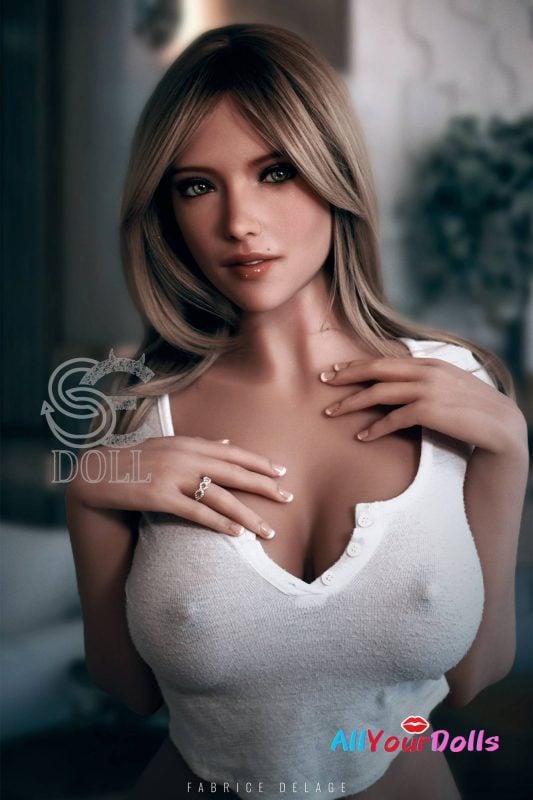
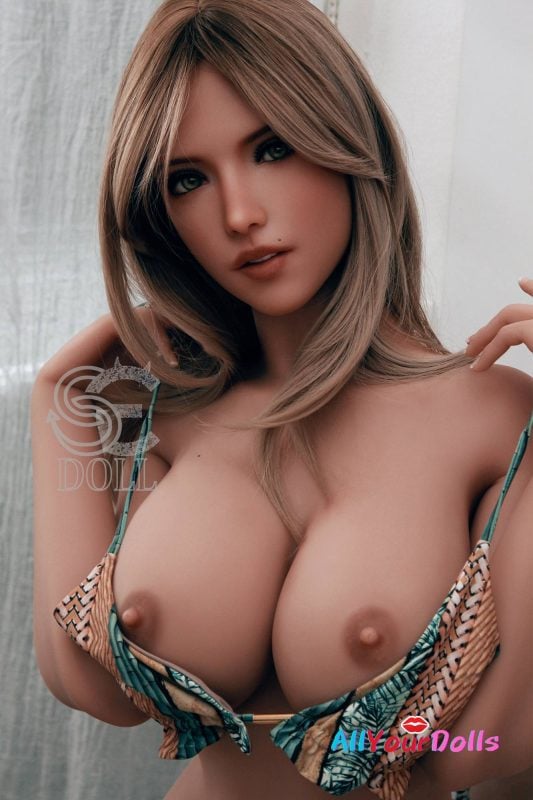
SKU:
SED260 T157-H Head #083 Queena.F
1,399 $

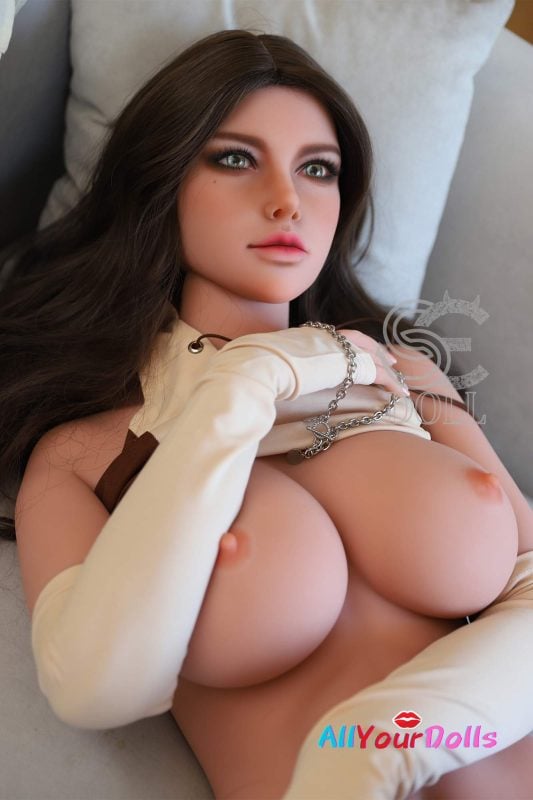
SKU:
SED285 T168-F Head #127 Hazel.A
1,499 $




SKU:
IT 166cm silicone doll S38
2,250 $


SKU:
SH159-Shedoll-168-Versper2.0-Silicone


SKU:
AZM Silicone Sex Doll 170 No. 59 A Cup-Fenrir
1,399 $


SKU:
168C Silicone Doll #62 Aki
2,200 $
 US Item Ready Dolls
 Europe Item Ready Dolls
 Canada Item Ready Dolls
 AiBei Doll
 AJL Doll
 AZM Doll (aiomi)
 Angel Kiss
 Butterfly Doll
 Climax(CLM) Doll
 Chocolate Lady
 Dolls Castle
 Elsa Babe Doll
 Evas Doll
 FANREAL Doll
 Firefly Diary Doll
 Fire Doll
 Funwest Doll
 Galatea Doll
 Galaxy Dolls
 Gamelady Dolls
 Gynoid Doll
 iDo Doll
 Irontech Doll
 Jarliet Doll
 Jiusheng Doll
 KiraDols Doll
 Kulovedoll
 JX Doll
 Lusandy Doll
 LingMo Doll
 MD Doll
 MMX Doll
 Moonvale Doll
 Nianta Doll
 Orange In Doll
 PrimeSexDoll
 Qita Doll
 Real Lady
 Realing Dolls
 Ridmii Doll
 Rosretty Doll
 SHEDoll
 Sino Doll
 Sigafun Dolls
 Starpery Doll
 SEDoll
 SY Doll
 Tantaly Dolls
 TopCY Doll
 Top Fire Doll
 WM Doll
 WSG Doll
 XNX Doll
 XT Doll
 XYDoll
 Zelex Doll
 Male Masturbators-Mini Sex Toy
 Custom Doll Head By Photos
 Buy Replacement Heads(Sold Separately)
 Buy Firefly Doll Silicone Head
 Buy Funwest TPE Heads
 Buy Gamelady Doll Heads
 Buy Irontech & Real Lady Silicone Doll Heads
 Buy Kiradols Head Silicone Anime
 Doll Clean | Dry | Disinfection | Repair Accessories
 Doll Storage & Display
 Smart AI & Interactive Upgrades
 Buy Replacement Head (Sold Separately)
 Doll Clean | Dry | Disinfection | Repair Accessories
 Doll Storage & Display